Environmental Education
Understanding the systems that shape territories, communities, and ecosystems
Environmental education is one of GoSphereX’s core activities. We produce educational content that explores the tensions between development models, indigenous territories, and community-led environmental action.
Our approach prioritises complexity over simplification, and context over opinion. We do not take political positions. We present structural patterns to inform understanding.
The articles below come from our activities in Helsinki in 2026: guided walks in Patola forest and in Uutela, and a documentary screening series organised by GoSphereX and ASOFICH (the Finnish-Chilean Solidarity Association) examining how different development models affect territories and communities across the Global South and within Europe.
Guided walks
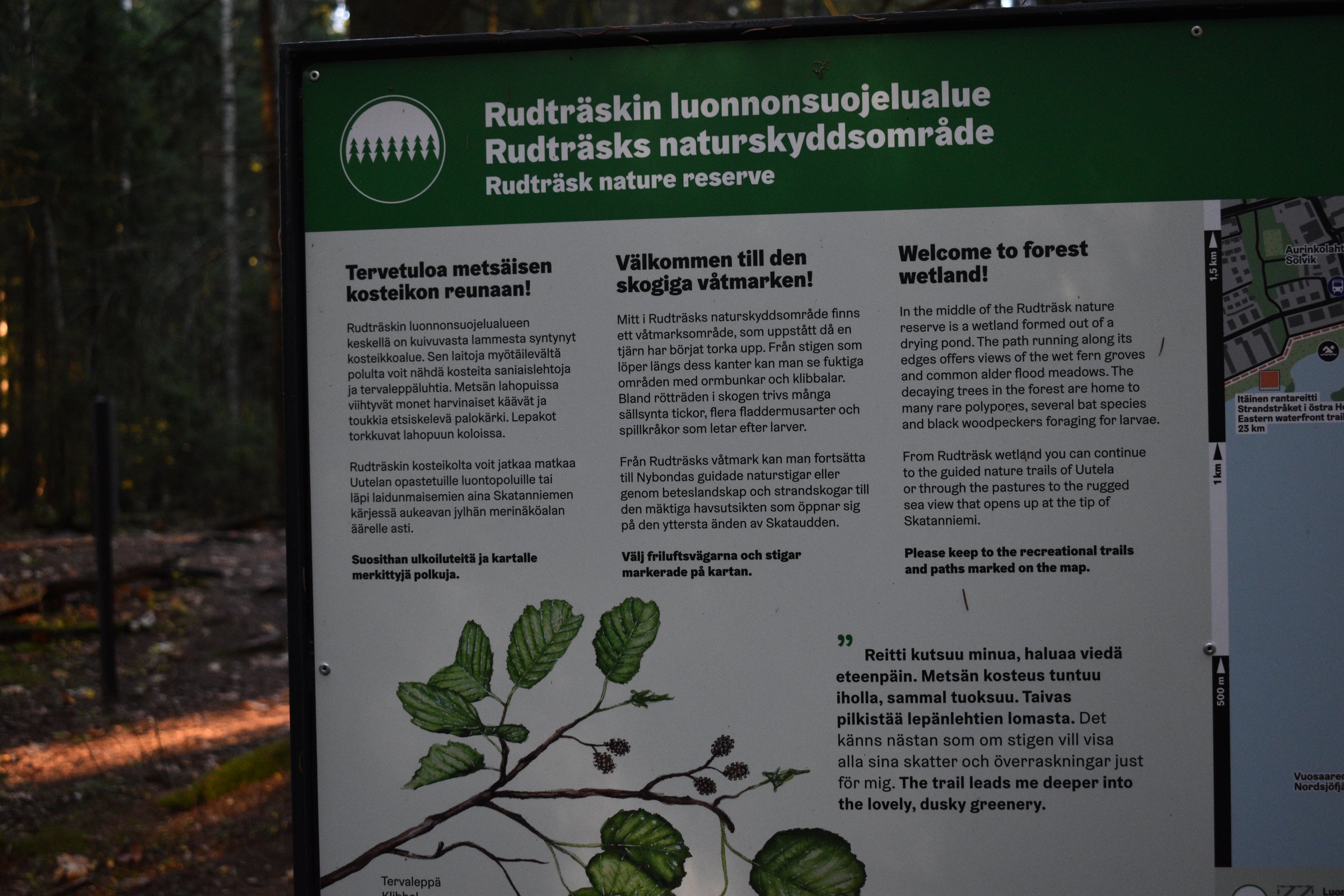
Reading a small peatland with a map in hand.
Reading a peatland on an autumn walk in Uutela
On 20 October 2026, JADE invited us to a walk with its Spanish-speaking group in Uutela, Vuosaari. With binoculars, three handouts in Spanish and a set of maps, we talked about Rudträsk, a small peatland under the forest: what peat is, why it holds carbon, and what happens when it is drained.
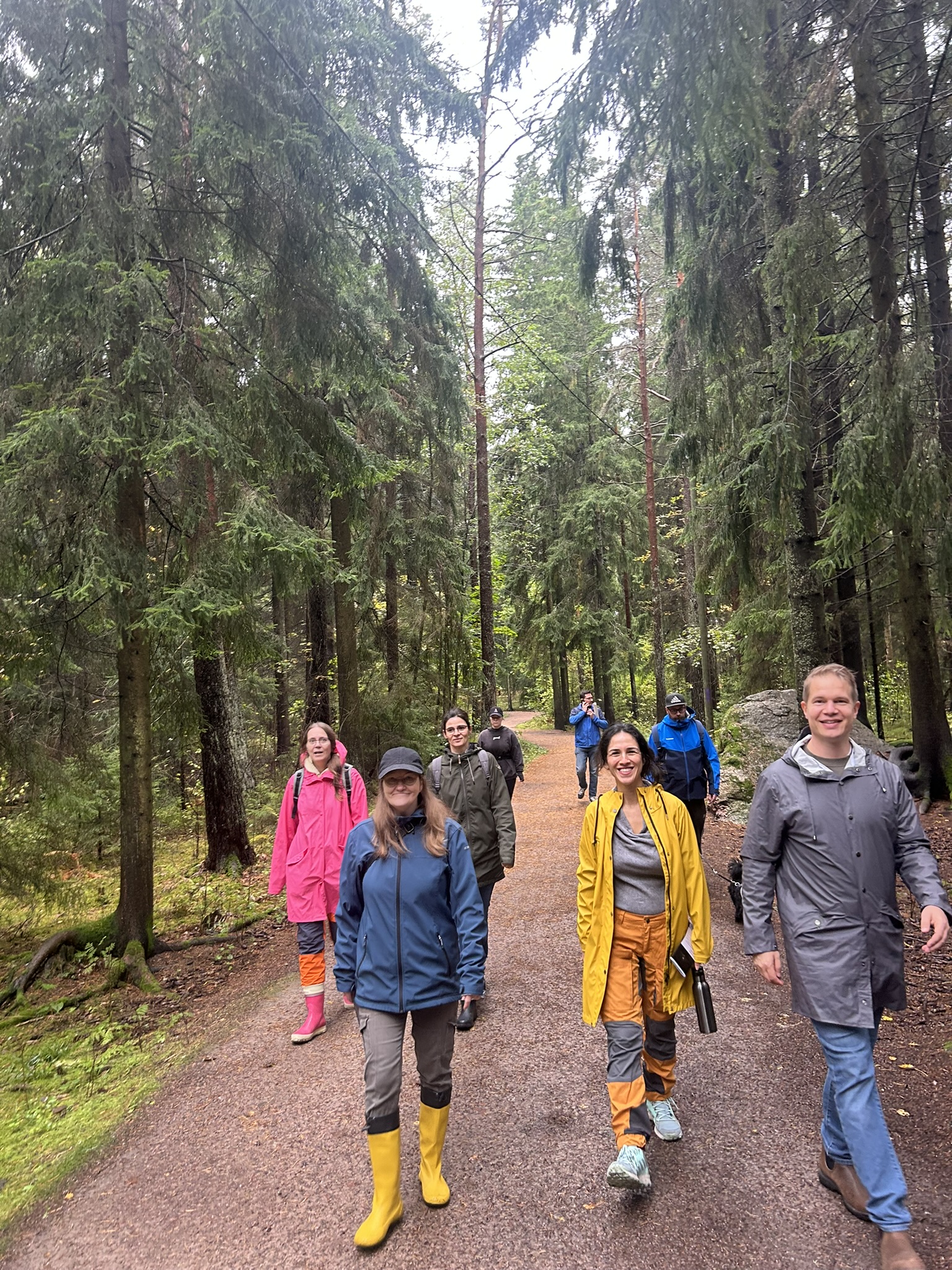
Understanding what maps record about wetlands, and what they leave out.
Too small for the map: a walk in Patola forest
On 26 September 2026, ten participants and three members of our team walked into Patola forest in Helsinki with one question: what does a map record, and what does it leave out? The walk had three stops: two estimates of Finland’s wetlands side by side, a peatland that the national topographic database records as forested and easily passable, and the remains of a First World War fortification.
Documentary screenings
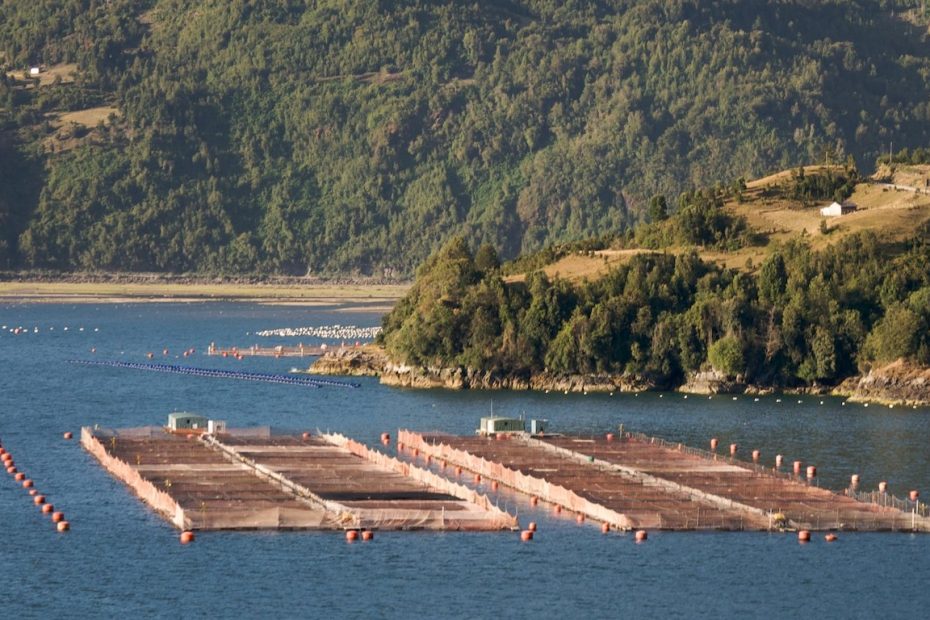
Farmed salmon, the sea and what reaches our plates.
The sea behind the salmon on our plates
Nearly 4 in 5 farmed Atlantic salmon in the world come from Norway and Chile. After screening the documentary El Lamento del Mar by Roberto Jequier in Helsinki on 22 October 2026, we talked about why salmon became everyday food in Finland, the wild fish used as feed, and the difference between aquaculture and salmon farming.
Understanding Finnish State policy towards Europe’s only indigenous people.
Our Silent Struggle: The Sami, the State, and the Question of Land as Identity
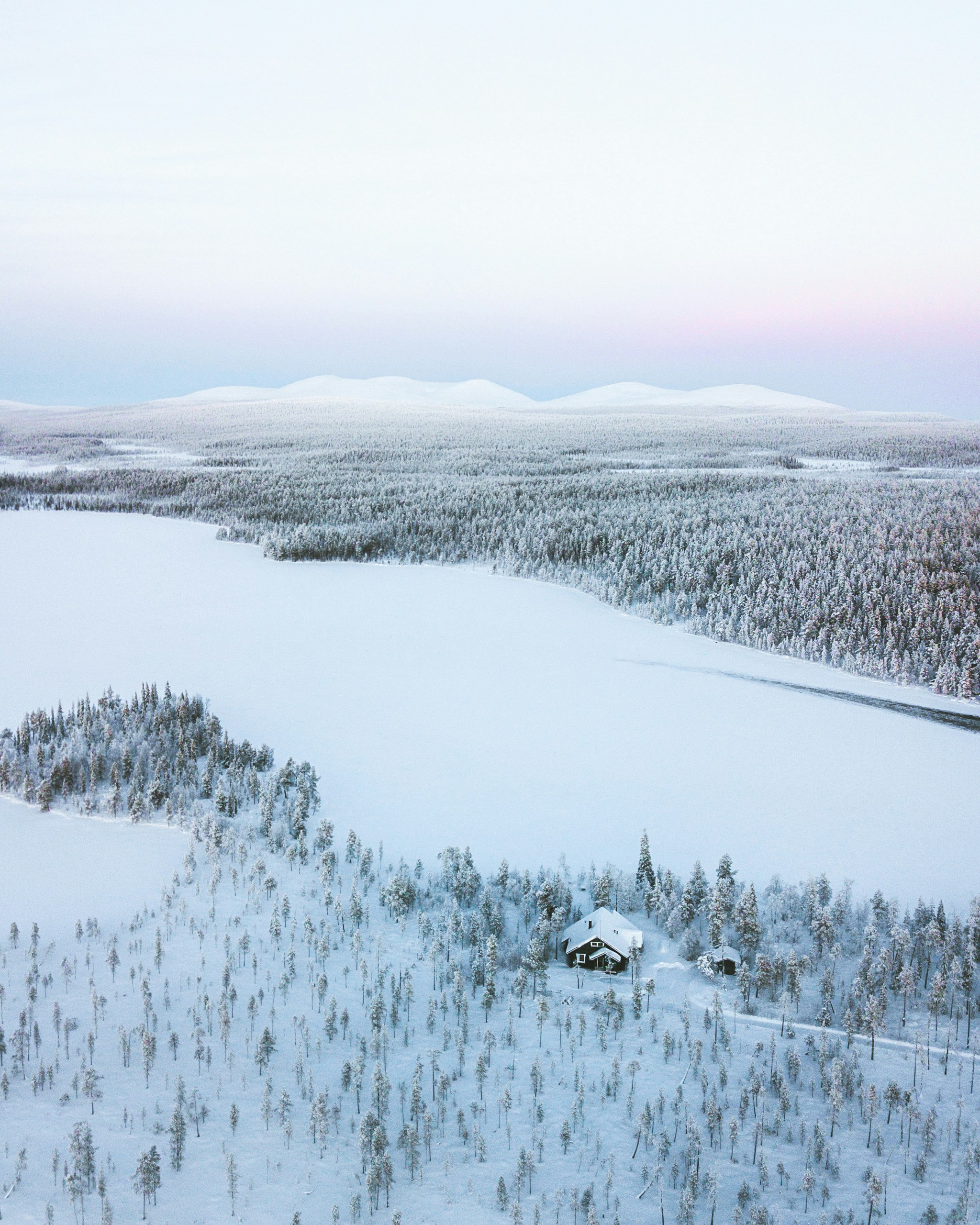
The Sami people are the only recognised indigenous people of the European Union. This article examines the tensions between Finnish State policy and Sami territorial and cultural rights, based on the documentary Eatnameamet by Sami filmmaker Suvi West, screened in Helsinki on 26 March 2026.
Understanding the tension between indigenous territory and industrial forestry in Chile.
When Dialogue Becomes Architecture: The Mapuche, Forestry, and the Künü Space
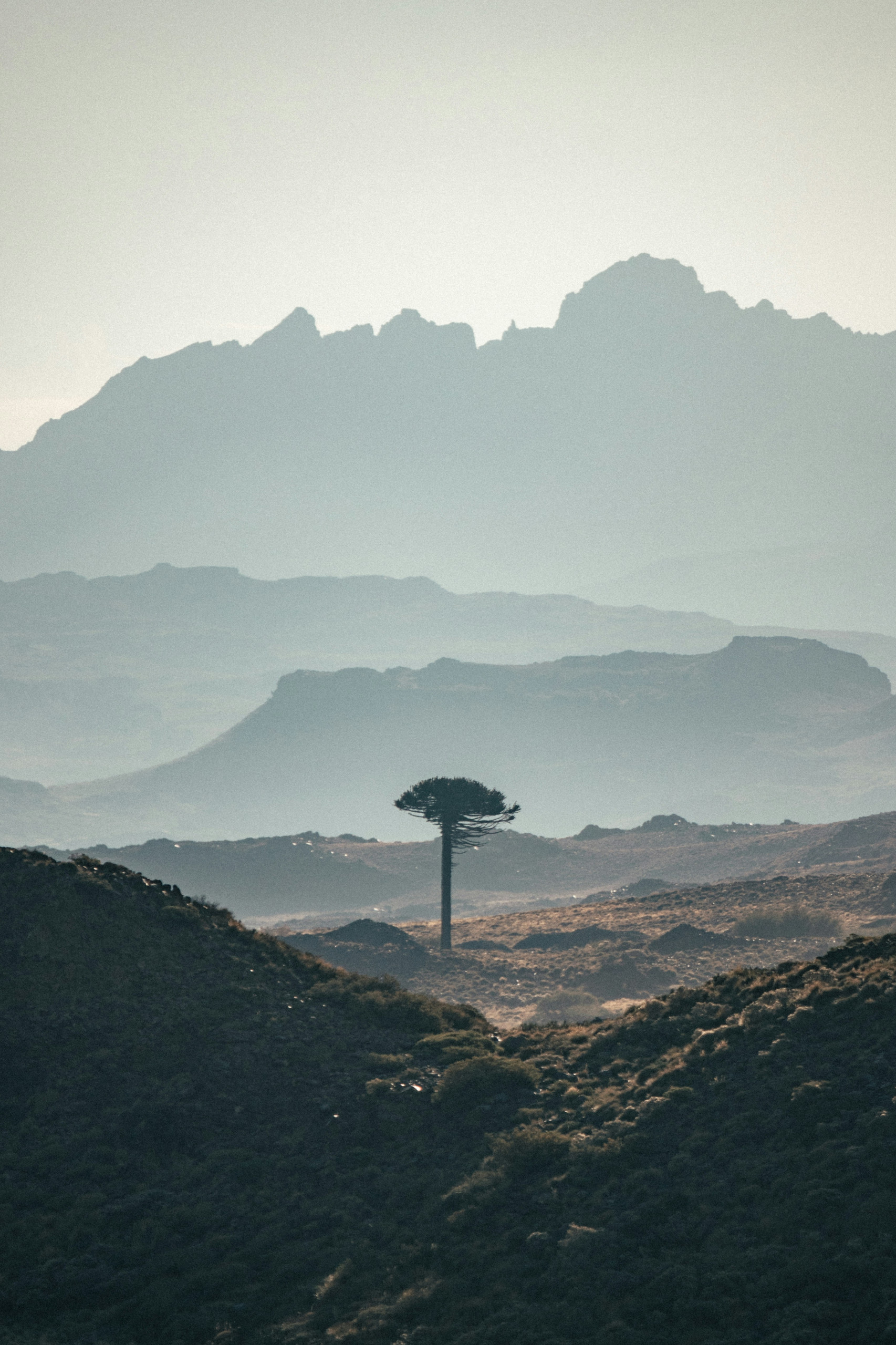
In southern Chile, 80 Mapuche communities spent more than a decade organising to negotiate with one of the world’s largest forestry companies. The result was a ceremonial space built on recovered land. This article explores that process, based on the documentary Künü by Mapuche filmmaker Francisco Huichaqueo Pérez, screened in Helsinki on 19 March 2026.
Understanding the tensions in Chile’s Atacama region.
Lithium, Water, and the Energy Transition
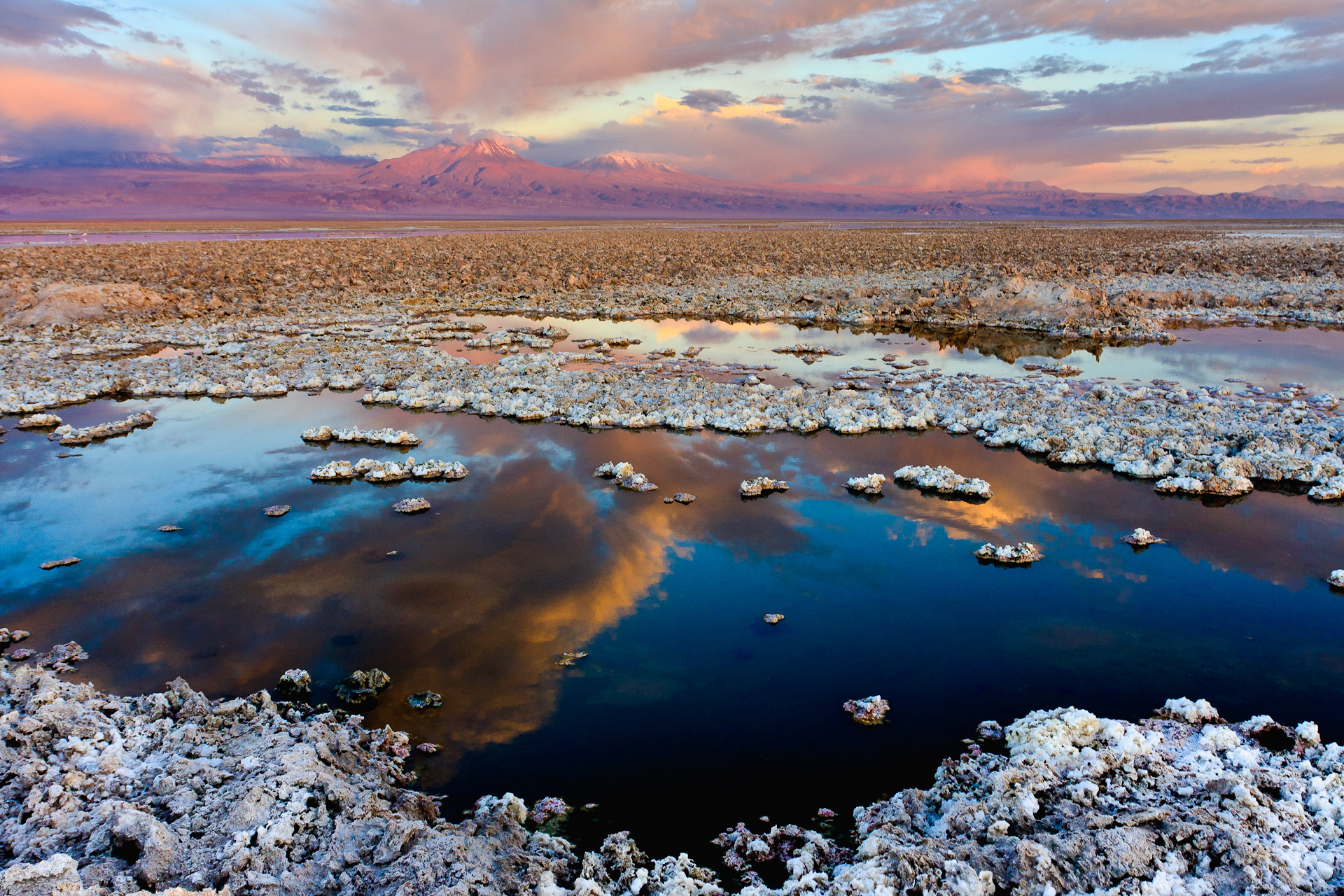
The Atacama Salt Flat in northern Chile sits at the centre of one of the most complex tensions in the global energy transition. On one side: lithium, essential for electric vehicle batteries and decarbonisation. On the other: water, and the communities that have depended on it for thousands of years. This article examines that tension, presented during the first session of our documentary series in Helsinki on 26 February 2026.
Follow GoSphereX on LinkedIn or Instagram for updates on environmental education and community-led action.